Going electric with halal finance: EVs, batteries and Islamic contracts
Islamic electric car financing lets buyers acquire a battery electric or hybrid vehicle through murabaha, ijara or lease-to-own contracts, so the financier earns a disclosed profit or rent instead of interest, often with green incentives layered on top.
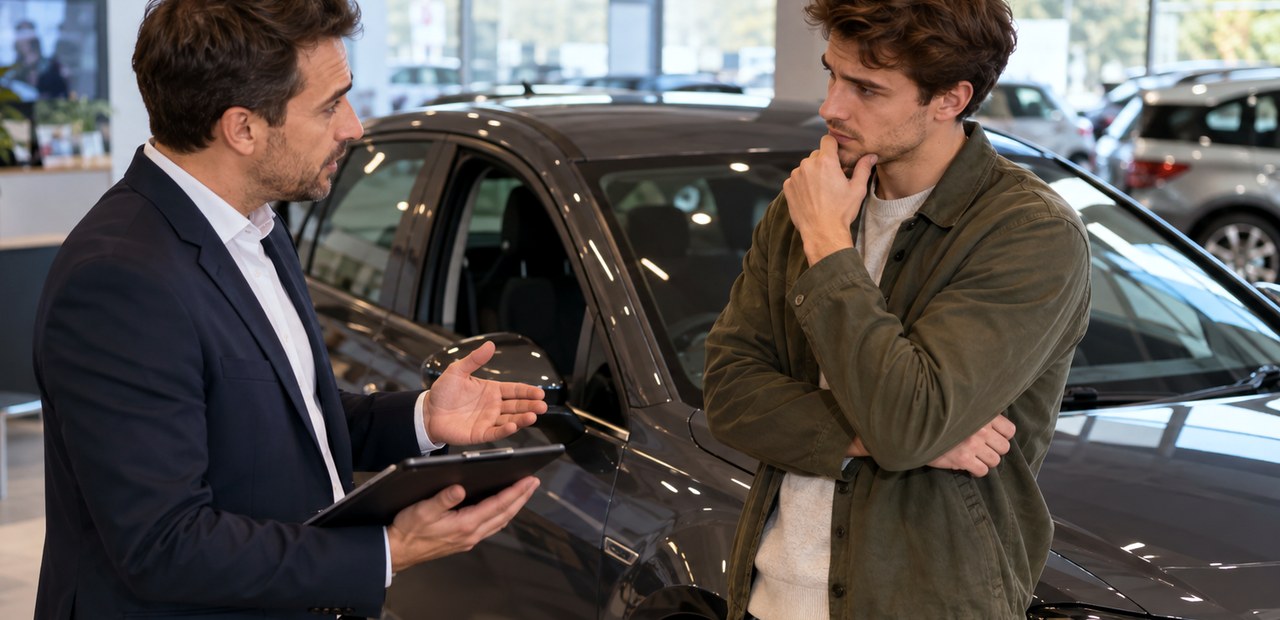
Does an electric car change the Islamic structure?
No. An EV is financed with the same contracts as any car: murabaha to the purchase orderer, ijara, or ijara ending in ownership. What changes is the asset risk, because battery health, rapid technology change and uncertain resale values affect how financiers price and limit terms.
Applying murabaha to an EV
The bank buys the car from the dealer and sells it at cost plus profit. The buyer owns the EV and bears battery depreciation. Fixed instalments make budgeting easy, and the price cannot rise if the buyer pays late, unlike conventional interest arrears.
Leasing an EV through ijara
Under ijara, the financier owns the car and carries major-loss risk. This can be attractive for EVs, where battery failure outside warranty is expensive. Buyers should check whether the lease treats the battery as a major repair borne by the owner.
Sharing green incentives fairly
Government grants, tax relief and dealer subsidies reduce the purchase cost. In a murabaha, the cost declared to the customer must reflect these discounts honestly, because hiding a rebate from the buyer breaches the disclosure duty at the heart of a cost-plus sale.
Which providers finance electric cars on Islamic terms?
Malaysia offers the most explicit EV products, while UK and US specialists finance EVs within general car programmes. Buyers in other countries should ask whether an Islamic provider accepts the specific model and battery ownership arrangement.
Reviewing Malaysian green offers
AmBank Islamic's Arif Hire Purchase-i, based on AITAB, offers preferential rates for battery electric vehicles. Bank Simpanan Nasional publishes a MyAuto-i murabaha product for EV and hybrid buyers. Malaysian Islamic banks operate under the Islamic Financial Services Act 2013.
Looking at the United Kingdom
Ayan finances any electric car from any UK dealer under ijara wa iqtina, with a dedicated offer for private-hire drivers. It cites the Kia Niro EV, MG4 and Tesla Model 3 as popular choices and finances vehicles up to 100,000 pounds.
Checking the US, Australia and the Gulf
UIF in the US and Hejaz in Australia finance new and used cars without excluding EVs, though neither runs a separate EV product. In the UAE, Islamic banks including Abu Dhabi Islamic Bank have announced electric vehicle finance programmes; current terms should be checked with each bank.
What rules and tax benefits apply?
Consumer-credit law applies as for any car. Tax incentives depend on the country: UK company-car benefit rates for EVs remain low, Malaysia grants income tax relief on EV charging equipment, and the US federal clean vehicle credit ended for cars acquired after 30 September 2025.
Financing an electric car step by step
EV buyers face extra questions on charging and battery warranties. The sequence below adds those checks to a standard Islamic car-finance process.
- Shortlist models and check battery warranty length and coverage.
- Confirm home or workplace charging and its installation cost.
- Ask Islamic providers whether the model and price are eligible.
- Apply with ID, income evidence and the dealer quotation.
- Let the financier buy the car, net of any grants or discounts.
- Sign the murabaha or ijara and arrange takaful or insurance.
- Take delivery, keep battery health records and pay instalments.
Comparing costs and documents
EV pricing varies widely, so the table focuses on the items that differ from petrol cars. Rates must be taken from each provider's offer rather than assumed.
| Item | What to expect | Note |
|---|---|---|
| Profit or rent | Sometimes preferential for BEVs | AmBank advertises lower BEV rates |
| Deposit | Similar to petrol cars | Grants may reduce it |
| Insurance or takaful | Often higher than petrol models | Repair costs drive premiums |
| Charger installation | Paid separately in most cases | Rarely included in the financing |
| Documents | ID, income, quotation, address proof | Same as standard car finance |
Avoiding EV-specific mistakes
Electric cars raise questions that petrol buyers never face. These are frequent sources of disappointment or refusal.
- Buying without secure access to charging.
- Ignoring battery warranty mileage and age limits.
- Assuming a grant applies after funds have run out.
- Choosing a battery-lease model that the financier will not accept.
- Underestimating insurance costs in the affordability check.
Is a used EV a good candidate for Islamic finance?
It can be, but battery degradation makes valuation harder. Providers that finance used cars, such as UIF and Hejaz, apply age limits. Buyers should obtain a battery health report before purchase, since a murabaha debt remains due even if the battery weakens.
Who bears battery failure risk?
In murabaha, the owner-buyer does, supported by the manufacturer's warranty. In ijara, major failures are the owner-financier's responsibility unless caused by misuse. The contract should define what counts as major maintenance so disputes do not arise.
Can a home charger be included?
Some dealers bundle a charger with the car, and the financier can then buy both. Otherwise, the charger is paid separately or financed through a small murabaha or personal financing. Bundling should be visible on the invoice used for the sale.
Are hybrids treated as electric cars?
Not always. Some products, such as BSN's EV/HEV offer in Malaysia, include hybrids, while preferential BEV rates at other banks exclude them. Buyers should check the drivetrain definition used by the provider and by any tax incentive.
Do Islamic banks reward greener cars?
Some do. Preferential rates for battery electric vehicles, such as AmBank Islamic's, reflect the Malaysian push for green finance under Bank Negara Malaysia's climate taxonomy. Elsewhere, pricing is usually identical for petrol and electric cars, so incentives come mainly from governments.
Is an EV subscription or battery rental Sharia-compliant?
A subscription is a form of ijara: a monthly fee for using the car, often including insurance and servicing. It can be acceptable when there is no interest-based late charge. Battery rental schemes, now less common, are also leases and should be read with the same care.
What documents prove eligibility for incentives?
Grant and tax schemes usually need the vehicle's registration certificate, invoice and proof of residence. The financier's invoice should show any grant deducted, because in a murabaha the declared cost must match what the bank actually paid to the dealer.
Where to access these solutions
- AmBank Islamic – Arif Hire Purchase-i (Malaysia) — AITAB vehicle financing in Malaysia with preferential rates for battery electric vehicles, up to 90% over nine years.
- Ayan – Electric PCO cars (United Kingdom) — Ijara-based rent-to-own finance for any electric car from any UK dealer, aimed at private-hire drivers, SMEs and chauffeurs.
- BSN – MyAuto-i MPO EV/HEV (Malaysia) — Bank Simpanan Nasional's murabahah to the purchase orderer vehicle financing for electric and hybrid cars in Malaysia.
Official and legal references
- CFPB – Auto loans — US consumer guide to shopping for, negotiating and checking vehicle financing, applicable to Sharia-compliant contracts too.
- Bank Negara Malaysia – Islamic Financial Services Act 2013 — Malaysian statute under which Bank Negara Malaysia licenses and supervises Islamic banks offering vehicle financing-i.
- Consumer Credit Act 1974 (UK) — UK statute governing regulated credit and hire agreements, including rights on early settlement and termination.