Buying and Financing Commodities Within Sharia Rules
Islamic commodity financing funds the purchase of real commodities such as grain, fertiliser, metals or energy through murabaha, salam or istisna, and also refers to tawarruq, where a commodity sale is used to give a client cash.
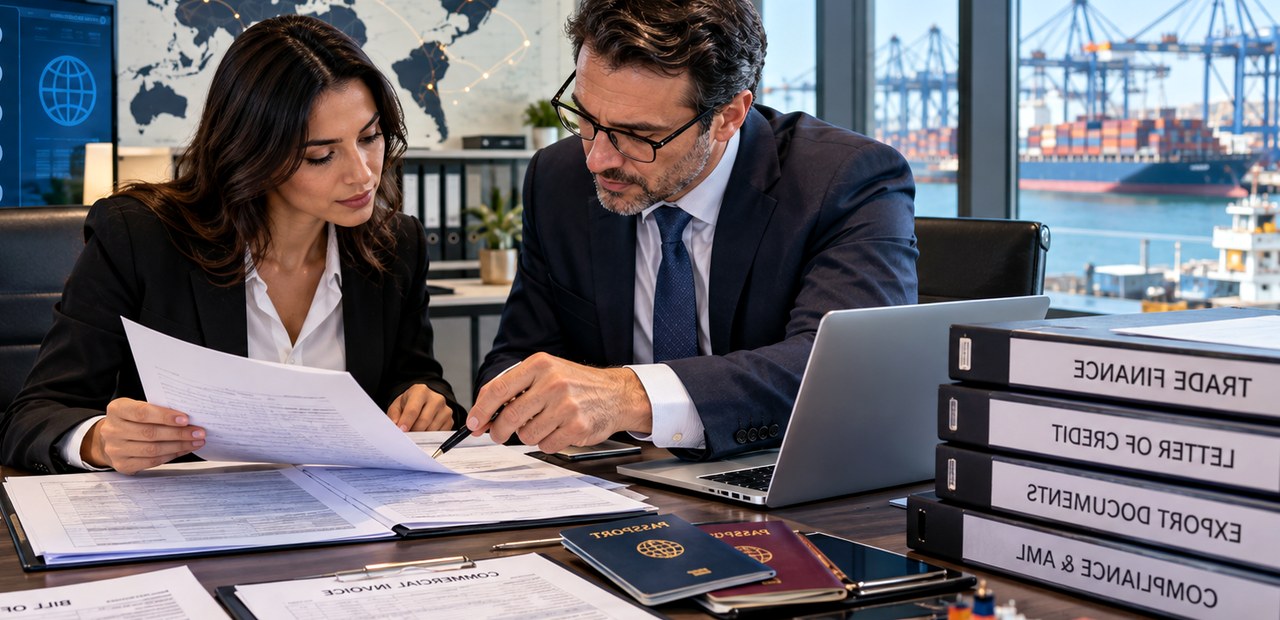
Two meanings of commodity financing
The phrase covers two different activities. One is financing traders and producers who actually need the goods. The other is commodity murabaha or tawarruq, where metals or palm oil are bought and sold quickly to generate liquidity, deposits or interbank placements.
Real commodity murabaha for traders
A trader identifies a cargo of wheat, sugar or fertiliser. The bank buys it, takes title through warehouse or shipping documents, and sells it to the trader at cost plus profit. The trader then sells the goods to customers.
Tawarruq and its conditions
In tawarruq, the bank sells metal on deferred terms; the client sells it immediately to a third party for cash. AAOIFI Shari’ah Standard 30 sets conditions, and many scholars restrict organised tawarruq because it closely resembles a cash loan.
Which commodities are eligible
Goods must be permissible, identifiable and capable of delivery. Gold, silver and currencies require immediate exchange, so they cannot be sold on deferred terms. Platforms typically use base metals on international markets or crude palm oil on Bursa Suq Al-Sila’.
Who provides commodity financing
The ITFC is the largest multilateral provider, financing crude oil, refined products, food and agricultural commodities for member countries. Malaysian banks such as Agrobank provide trade working capital financing-i, and Bank Islam offers tawarruq-based SME financing.
Other markets and their limits
Gulf banks run large commodity murabaha books for corporates. UK banks use commodity murabaha in home and savings products, as with Al Rayan Bank. Small traders in Western countries rarely find real commodity murabaha and depend on conventional trade lines.
Regulation and tax
Malaysia regulates tawarruq through Bank Negara Malaysia policy documents under the Islamic Financial Services Act 2013. The UK treats alternative finance return as finance cost for tax. The US OCC accepted murabaha for commercial inventory in its 1999 interpretive letter.
Steps in a commodity murabaha
The order of operations is crucial: the bank must acquire title and bear risk before reselling. Brokers and platforms document each step electronically for tawarruq, while physical trades rely on warehouse receipts and shipping documents.
- Agree a master murabaha agreement and limit with the bank.
- Submit a purchase request identifying commodity, quantity, price and supplier.
- The bank buys the commodity and receives title documents or platform confirmation.
- The bank offers to sell at cost plus profit; the client accepts.
- For real trade, the client takes delivery; for tawarruq, it appoints an agent to sell.
- Pay the deferred price on the agreed date.
- Retain all documents for Sharia audit and tax purposes.
Costs and documents
Commodity financing combines a profit margin with brokerage or platform fees. Fees are usually small per trade but add up for frequent rollovers. The table summarises categories rather than specific prices.
| Item | What to expect | Note |
|---|---|---|
| Profit margin | Fixed per transaction | Benchmarked to market references |
| Brokerage or platform fee | Per trade fee | Often absorbed or recharged by the bank |
| Title documents | Warehouse receipts, bills of lading | Platform certificates for tawarruq |
| Company documents | Accounts, licences, trade history | Sanctions and KYC checks |
| Security | Pledge of goods, guarantees, deposits | Depends on client risk |
Distinguishing real trade from liquidity tools
Regulators and Sharia boards increasingly ask banks to prefer real trade over tawarruq when clients have genuine goods to finance. Businesses should ask which structure is being used, because the documentation, risks and Sharia acceptance differ.
Common mistakes and refusal reasons
These issues frequently arise in commodity transactions and can invalidate the contract or cause refusal during review by the bank credit or Sharia teams.
- Selling the commodity before the bank has acquired it.
- Using gold or silver on deferred terms, which is not permitted.
- Circular sales back to the original seller, prohibited as bay’ al-‘inah.
- Weak title documentation for goods in warehouses or in transit.
- Commodities linked to prohibited end uses, such as alcohol production.
Hedging price risk Sharia-compliantly
Conventional futures and options are generally not accepted. Alternatives include salam contracts, wa’d-based promises and fixed-price forward purchase agreements structured by Islamic banks. Availability depends on the market and bank expertise.
Warehouse receipts and collateral management
For stored grain, sugar or metals, Islamic banks rely on licensed warehouses and collateral managers who confirm quantity and quality. Warehouse receipts prove ownership and allow the bank to hold title during murabaha, reducing fraud and double-pledging risks.
Choosing between banks and platforms
Large traders negotiate bespoke lines with Gulf or Malaysian banks, while smaller firms depend on standard facilities. Comparing total cost means adding profit margins, brokerage, collateral management and insurance, not only the headline profit rate quoted in the offer.
Frequently asked questions
These answers address frequent questions from traders, treasurers and SMEs about commodity-based Islamic financing, especially the difference between financing real goods and using tawarruq to obtain cash.
Is tawarruq halal?
Scholars differ. The International Islamic Fiqh Academy rejected organised tawarruq in 2009, while AAOIFI permits it under strict conditions and as a need-based tool. Many banks still use it, so check your bank Sharia board fatwa.
Do I ever receive the metal?
In tawarruq, usually not; the commodity is sold on your behalf. In real commodity murabaha, you take delivery of goods you need for your business. You can usually request delivery under tawarruq, but costs make it impractical.
What is Bursa Suq Al-Sila’?
It is a Malaysian commodity trading platform operated by Bursa Malaysia, used by Islamic banks for tawarruq and commodity murabaha, mainly with crude palm oil. It records ownership transfers and provides certificates for Sharia audit.
Can ITFC finance my company directly?
ITFC finances governments, large corporates and banks in member countries, with minimum ticket sizes far above SME needs. Smaller companies usually reach ITFC funds through local banks holding ITFC lines.
Are commodity profits taxed differently?
Usually not. In the UK, alternative finance return is taxed like interest. Malaysia gives Islamic transactions tax neutrality. Elsewhere, check whether intermediate sales trigger VAT or stamp duty, which Islamic-specific tax rules often neutralise.
Where to access these solutions
- ITFC – Trade Finance Overview — IsDB Group: ITFC trade finance for energy, food and agricultural commodities in OIC member countries.
- Agrobank – Trade Working Capital Financing-i (TWCF-i) — Malaysia: Agrobank Trade Working Capital Financing-i for purchasing and selling goods in trade cycles.
- Bank Islam – SME Term Deposit Tawarruq Extra Financing-i — Malaysia: Bank Islam SME Term Deposit Tawarruq Extra Financing-i, a tawarruq-based facility secured by term deposits.
Official and legal references
- AAOIFI Shari’ah Standards — AAOIFI Shari’ah Standards, including the standards on murabaha and on monetization (tawarruq) used by Islamic banks.
- HMRC Corporate Finance Manual – Alternative finance (CFM44000) — HMRC guidance on UK alternative finance arrangements, including purchase and resale structures.
- OCC Interpretive Letter 867 (1999) — US OCC letter confirming murabaha financing of commercial inventory is permissible for national banks.